
Takeaways
Takeaways - Program Perspective
Over the life of the program, more than 200 students completed the Collaborative. Today they are spread across the conservation field—in universities, government agencies, nonprofit organizations, and community-based conservation programs.
Some pursued graduate degrees and are now early career researchers and scientists. Others moved directly into professional roles in wildlife management, policy, education, and applied conservation work. Together as multiple cohorts, they are embedded across the conservation field.
When the program began, the premise was that if students were given access to strong mentorship, meaningful experiences, and professional networks, many of them would go on to build careers in conservation. Over time, that premise proved true.
What’s exciting now is seeing how this network of alumni continues to grow and influence the field in different ways. They are working in many different places, on a range of conservation challenges, but they remain connected through the relationships and experiences that began in the program.
Together, they represent a growing community of conservation professionals whose influence on the field will continue for years to come.
To hear how these themes unfolded over time, visit the Alumni Stories collection, where Scholars reflect in their own words on what stayed with them and how their experiences shaped the paths they chose.
Rena Borkhataria reflecting on all of the various components that made the Doris Duke program beneficial for scholars.
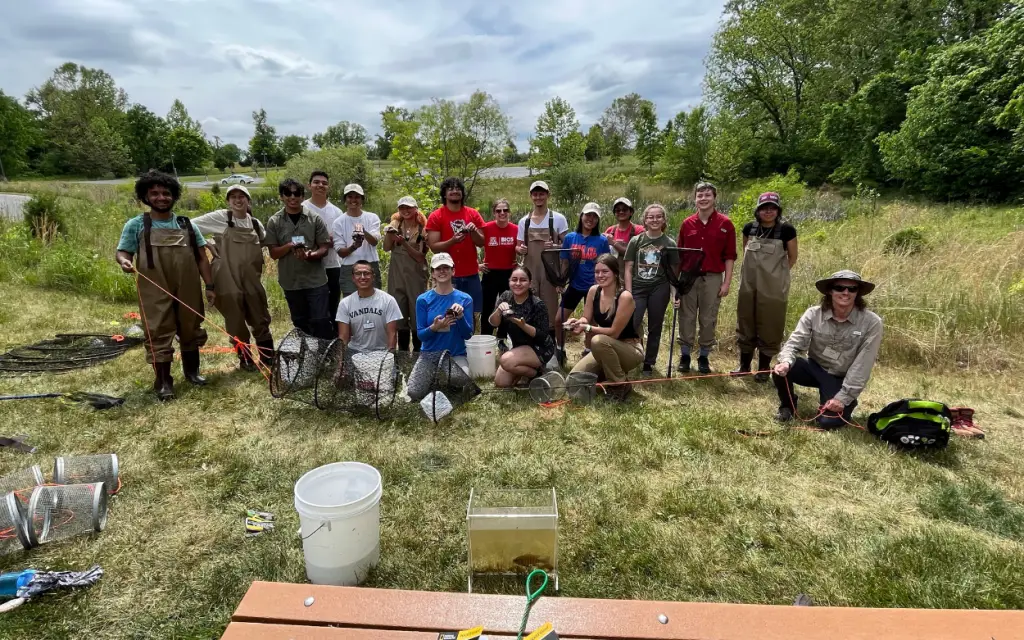
Doris Duke Scholars training together.
Alumni Video Hub
Playlist
0:16
0:16
0:16
0:16
0:16
0:16
0:16
0:16
0:16
0:16
0:16
0:16
0:16
Alumni Excerpts
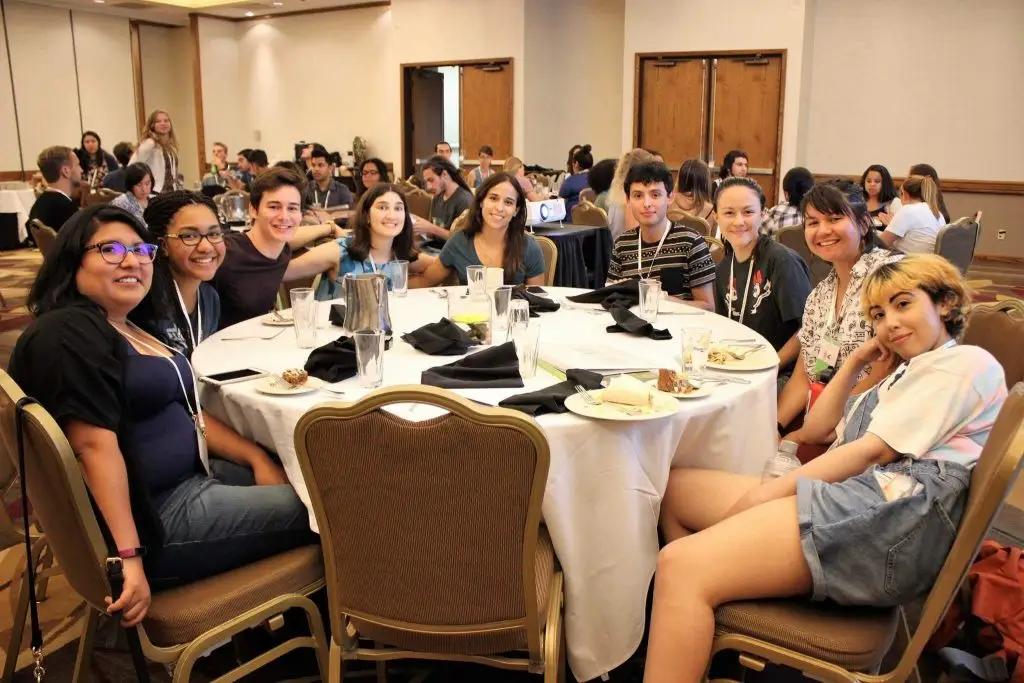
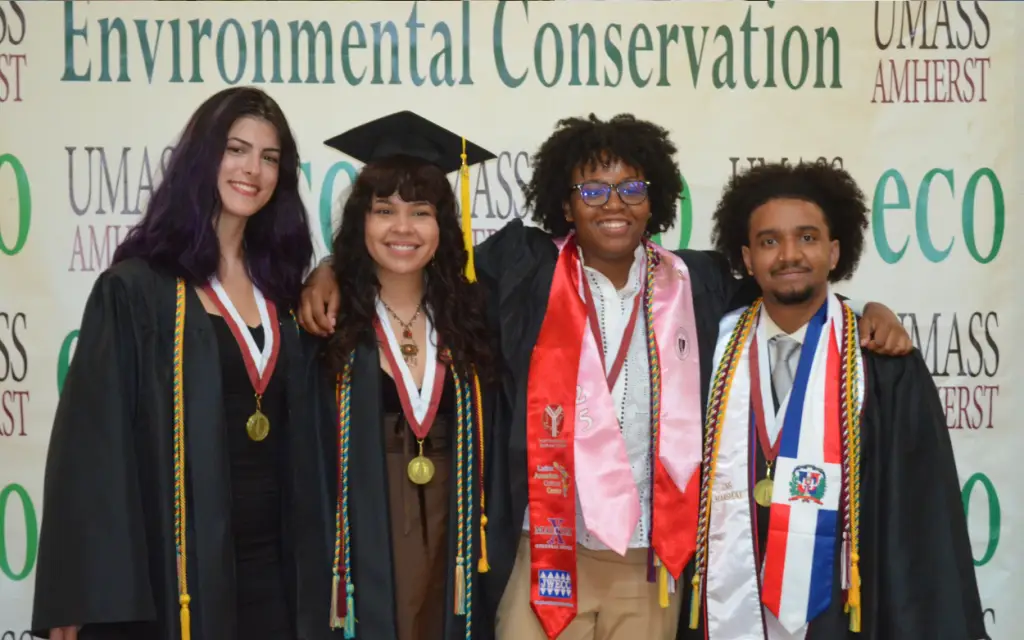
Doris Duke Scholars growing professionally and advancing in their fields.
Achievements
The most visible measure of the program’s impact is found in the accomplishments of its Scholars.
Following their participation in the Doris Duke Conservation Scholars Program Collaborative, our alumni have pursued graduate degrees and entered positions with federal and state agencies, nonprofit conservation organizations, research institutions, and community-based programs across the country. They have presented research at multiple national conferences, published in peer-reviewed journals, secured competitive fellowships, and contributed to applied conservation efforts in the field.
Over time, many have stepped into leadership roles within established organizations, and some have launched new nonprofit and community-based initiatives of their own, extending conservation work into spaces and communities across the globe.
The collective presence of Scholars at national meetings reflects this ongoing engagement. In 2024, the Collaborative was honored with the Group Achievement Award at The Wildlife Society Annual Meeting, recognizing the broader impact of the program and its participants within the profession.