
Research Projects
The First Summer: Learning Through Research
For many students, the first summer in the program was their first sustained, hands-on experience in conservation research. Working with faculty and graduate mentors at their home universities, Scholars joined real research projects and began learning what it looks like to ask questions, collect data, and make sense of the natural world through evidence.
Fieldwork was often a defining part of the experience. Whether collecting samples, monitoring wildlife, surveying habitats, or spending long days outdoors gathering data, students encountered the physical and practical realities of conservation science. Early mornings, unpredictable weather, troubleshooting equipment, and adapting to changing conditions were part of the learning. These moments helped students understand conservation as both intellectual and embodied work.
The summer was both practical and personal. Students learned how to manage data, navigate research teams, and work through uncertainty when projects did not go exactly as planned. At the same time, they began to see themselves as scholars and contributors to ongoing scientific work.
Mentorship played a central role. Through close collaboration with faculty and graduate student mentors, Scholars received feedback, asked questions, and gradually built confidence in their ability to participate in research conversations. Over time, the experience shifted from “helping with a project” to learning how to think like a conservation scientist.
By the end of the summer, students had more than new skills. They had a stronger sense of belonging in scientific spaces and a foundation they carried forward into internships and the rest of the program.
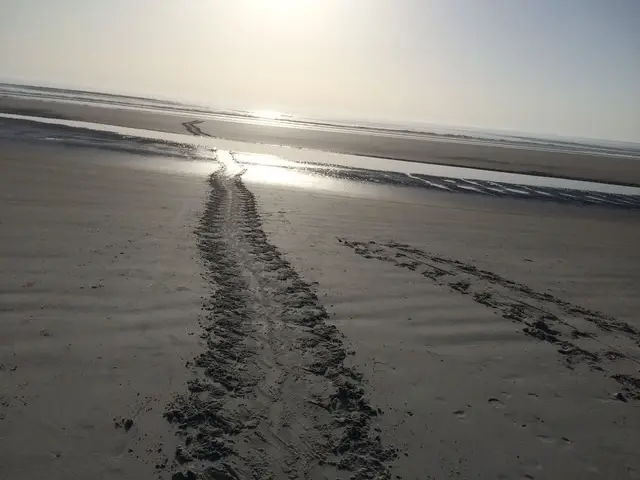
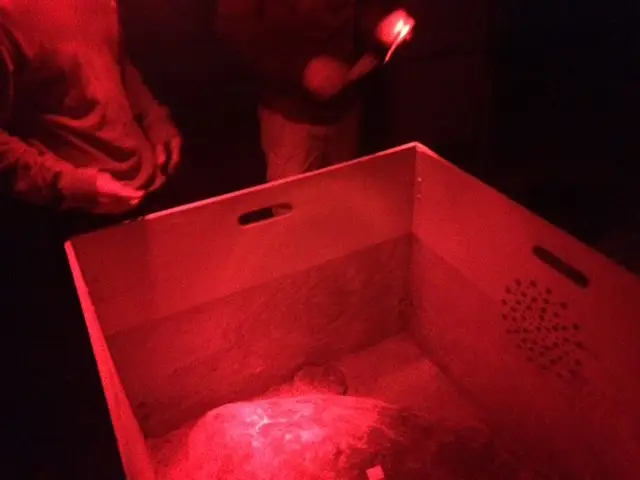
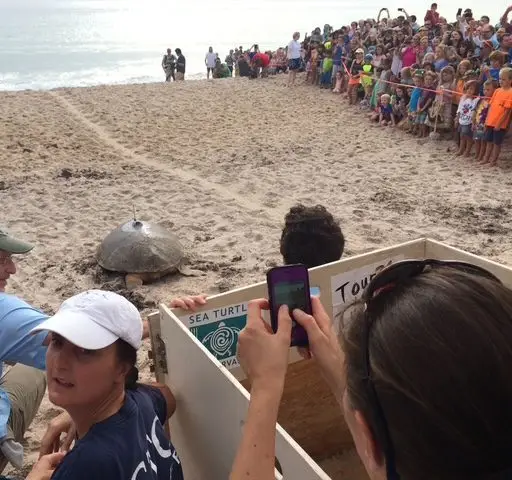
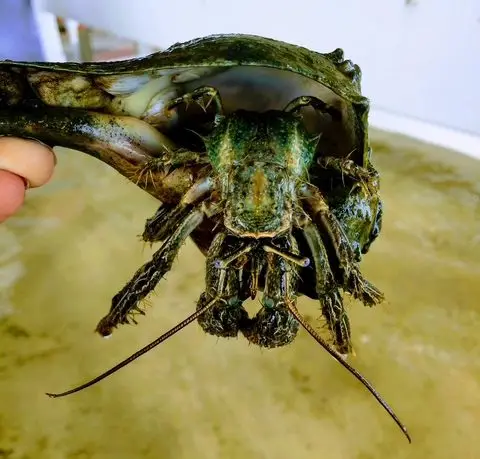
Spencer’s research project helped him define his career interests
The First Summer: Research, Mentorship, and Becoming
The first summer placed Scholars inside the daily realities of conservation research, including field sites, lab benches, long days outdoors, equipment that didn’t always cooperate. Collecting data requires patience and precision. Analyzing it required persistence and critical thinking. When projects didn’t go as planned, students learned how to troubleshoot, adapt, and keep moving forward. These experiences introduced them to how conservation knowledge is built: carefully, collaboratively, and over time.
Working closely with faculty and graduate mentors, Scholars became part of research teams. They asked questions, received feedback, and gradually gained the confidence to contribute ideas of their own. Graduate mentors, in particular, served as near-peer guides — translating expectations, modeling scientific thinking, and making research spaces feel more accessible and human.
Over time, many students described a shift in how they saw themselves. Being trusted with real responsibility helped them feel like contributors. The first summer expanded what felt possible in the conservation field.