
Program Origin
How the Collaborative Began
The Doris Duke Conservation Scholars Program Collaborative began with a simple question: What becomes possible when students are given the right supports and opportunities—not just to enter conservation, but to grow into leaders in the field.
From the start, the program was designed as a multi-year, relationship-centered experience. Rather than a single summer or a narrow pipeline, it combined research, professional practice, reflection, and community to support students as they explored conservation as a long-term career.
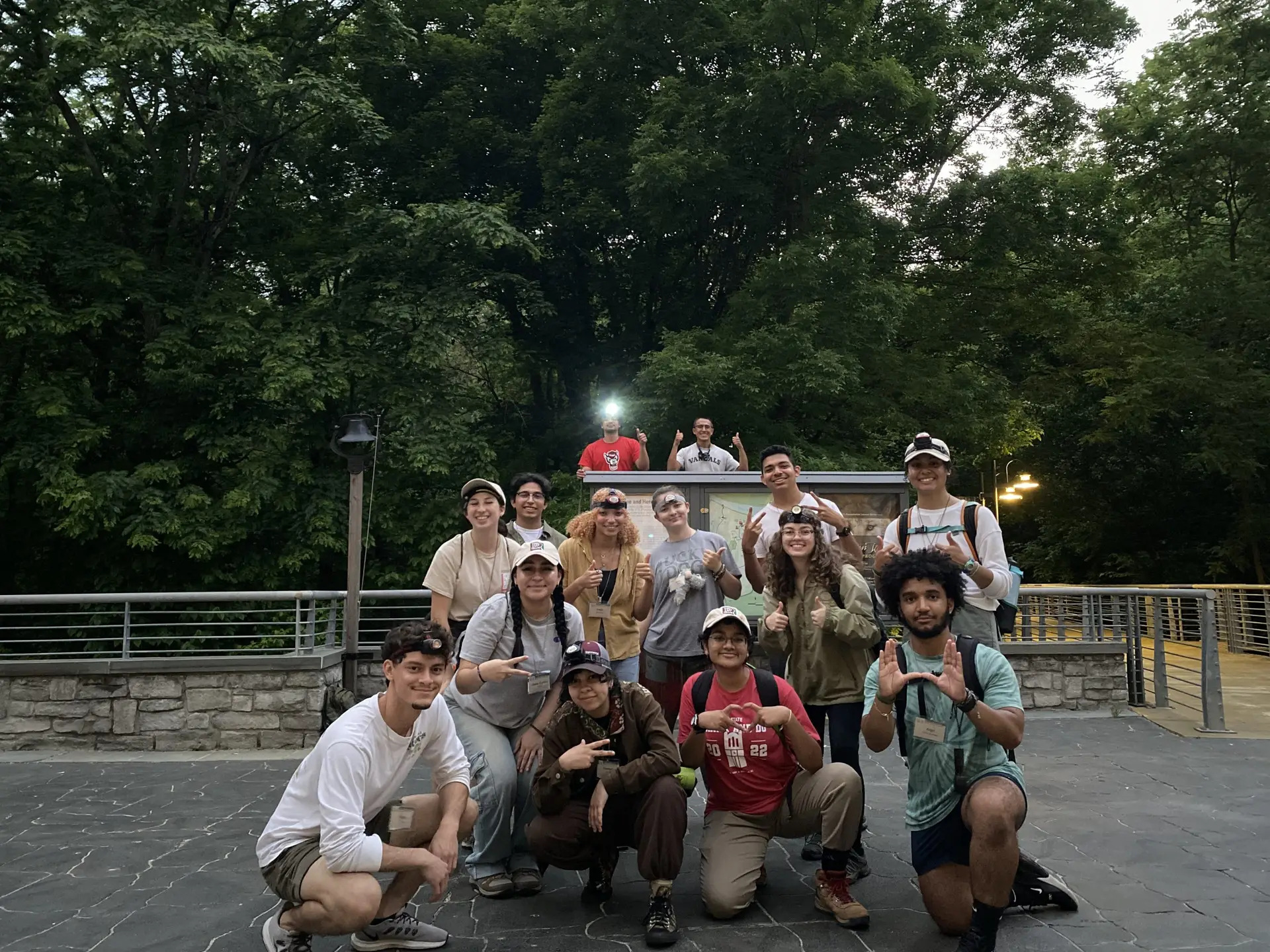
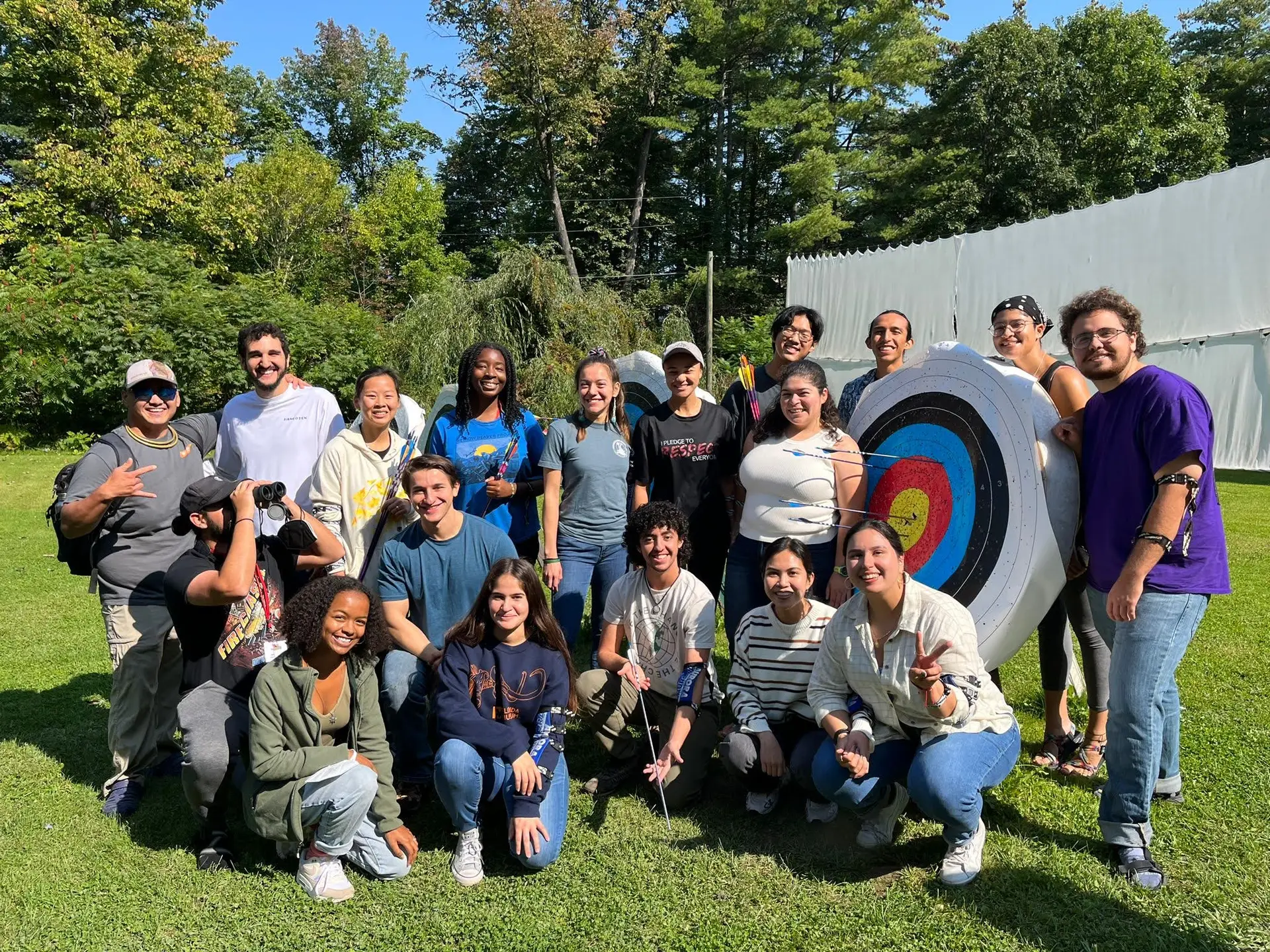
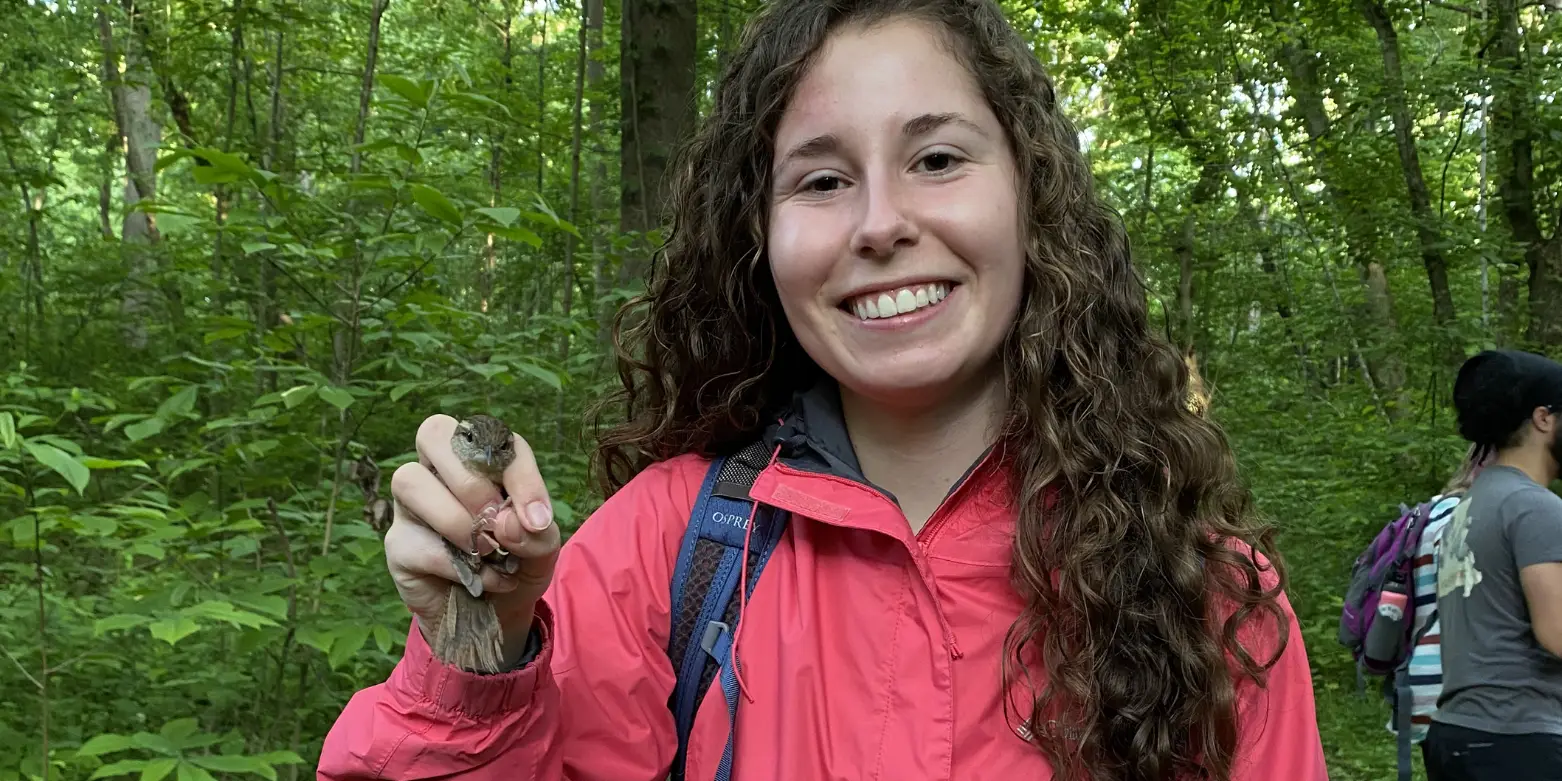
The program’s director reflects on the vision behind the Doris Duke Conservation Scholars Program Collaborative and how it took shape over time.
Dr. Ray Carthy – On the University of Florida–USGS Partnership
A Collaborative Model
The Doris Duke Conservation Scholars Program Collaborative was built as a partnership across five universities, the U.S. Geological Survey Cooperative Research Units, federal agencies, and conservation organizations. From the beginning, the program was shaped by multiple sectors working together rather than centered in a single department.
Faculty, USGS scientists, and agency partners contributed complementary expertise—research design, applied science, mentorship, and professional training. This structure allowed students to engage in conservation as it is often practiced: across institutions and in coordination with different kinds of expertise. For Scholars, their work
linked university research with agency science and professional practice, offering an early view of the broader professional community they were entering.
Within this collaborative framework, the program was designed with careful attention to the student experience. Early belonging, sustained mentorship, and meaningful responsibility were treated as central elements of the program.
Undergraduate research was structured intentionally. Scholars contributed to graduate student projects while developing their own research questions connected to the broader work. Mentoring relationships were layered—faculty oversight, graduate student guidance, and peer support—so that students entering research for the first time had both challenge and support.
Presenting independent work encouraged students to think critically, make decisions, and see themselves as contributors rather than observers