Annual Meeting
Annual Meetings: Entering the Field
Each year, Scholars from across cohorts gathered for an Annual Meeting that expanded the scope of their experience beyond their home institutions and summer placements. These meetings included The Wildlife Society (TWS) and The Ecological Society of America (ESA) Annual Meetings and brought students together with faculty, mentors, and conservation professionals in a larger professional setting, reinforcing the idea that they were part of a broader conservation community.
The Annual Meeting offered students the opportunity to present research talks and posters, attend professional sessions, and engage with conservation practitioners from across the country. For the majority of Scholars, it was their first experience at a national scientific conference. Navigating conference spaces—introducing themselves, asking questions, and sharing their work—became an essential step in developing conservation-oriented professional development and confidence.
Just as importantly, the Annual Meeting reconnected cohorts. Students who had begun the program together, along with those at different stages, gathered in a shared space, connecting DDCSP scholars across years. The meeting showcased the scale of the Collaborative and the collective presence of Scholars within the field.
Over time, the Annual Meeting became both a professional milestone and a celebration of growth. These Annual Meetings became an opportunity for Scholars to see how far they had come and to imagine next steps in research, network development, and career growth in academic, public, and private conservation sectors. .
Hanna Innocent – Reflections on her experience at the ESA Annual Meeting
Ecological Society of America (ESA)
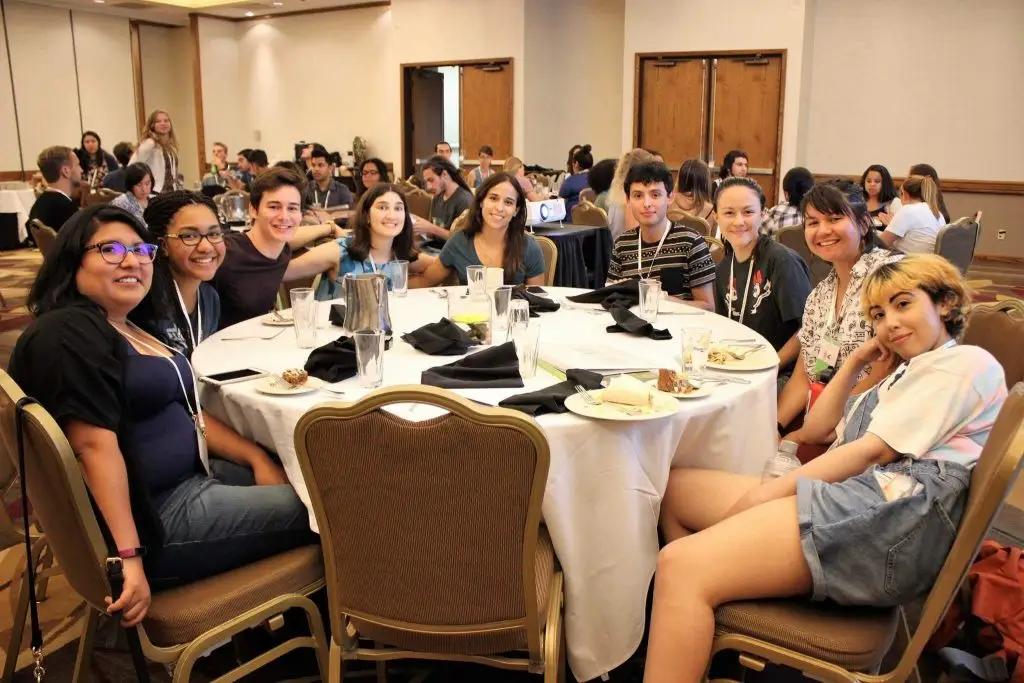
For many years, the Annual Meeting centered on participation in the annual conference of the Ecological Society of America (ESA), in partnership with the ESA SEEDS Program.
Through this collaborative and student-centered partnership, Scholars attended scientific sessions, presented research, and engaged in programming designed to support students from diverse backgrounds pursuing ecology and environmental science. The collaboration with SEEDS created dedicated spaces for DDCSP Scholar community building and conservation focused development, including panels, structured opportunities for networking, and mentorship.
Presenting at ESA was a defining moment for the program. For many Scholars, it was their first time sharing research in a national forum. Spending months working with mentors on analyzing results, visualizing data, and crafting an independent poster, learning about the process of conference submission, and presenting their research contributions, Scholars engaged with established scientists and saw themselves as contributors to the field. The experience reinforced technical growth, professional confidence, and often inspired future plans and goals.
Beyond formal presentations, ESA offered exposure to the breadth of ecological research and career pathways. Scholars encountered new ideas across the range of the Ecological Society conference program, learned about potential graduate programs, and connected with professionals whose work expanded their understanding of what conservation and ecology could look like in practice.
The Wildlife Society (TWS)
Beginning in 2022, the program shifted iAnnual Meeting participation to the annual conference of The Wildlife Society (TWS). This transition reflected the program’s evolving focus and provided Scholars with new opportunities to engage with wildlife professionals across research, management, and policy.
Like ESA, the TWS meeting offered opportunities for students to present their work, attend sessions, and build professional networks. The environment emphasized applied conservation practice and connected Scholars directly with agencies, NGOs, and practitioners working in wildlife management and conservation.
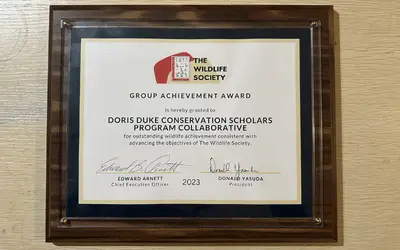
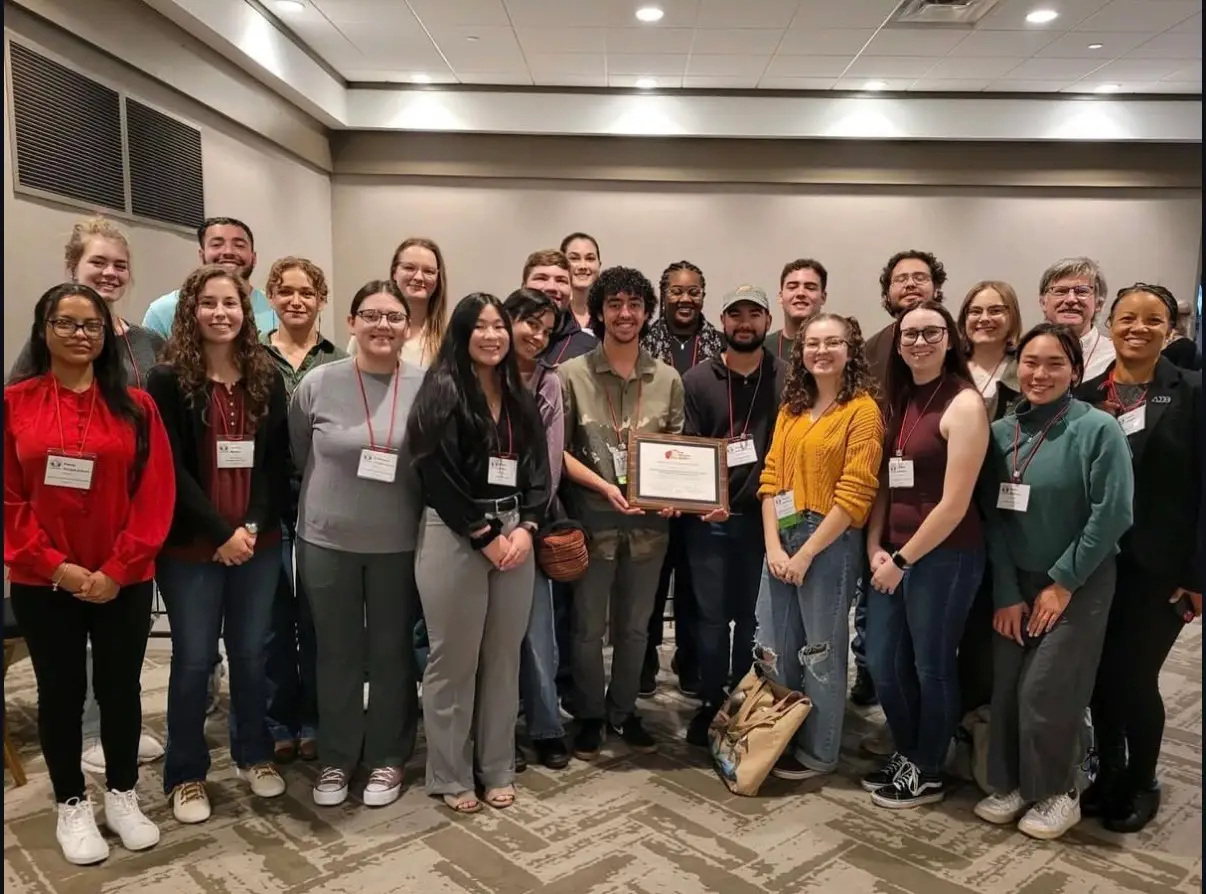
In 2024, the Collaborative was honored with the Group Achievement Award at the TWS Annual Meeting, recognizing the collective impact of the program and its Scholars within the profession. Accepting the award in a national forum marked a significant milestone for program leadership and the students whose work and presence shaped that recognition.